— The Photo Journal
Copenhagen, in pictures.
From the harbor and the fairytale statues to the parks, the palaces, and the long Nordic light over the water.
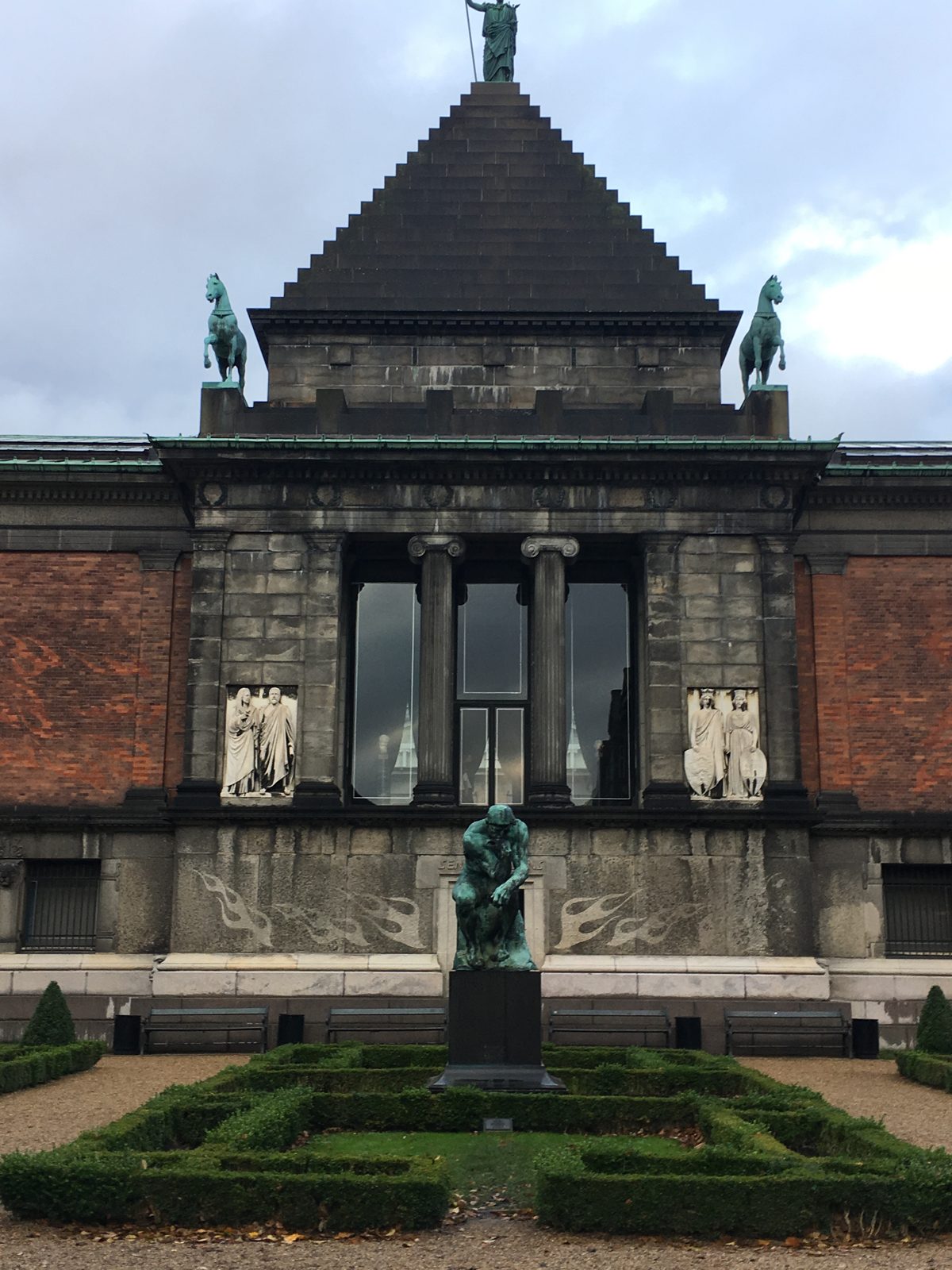
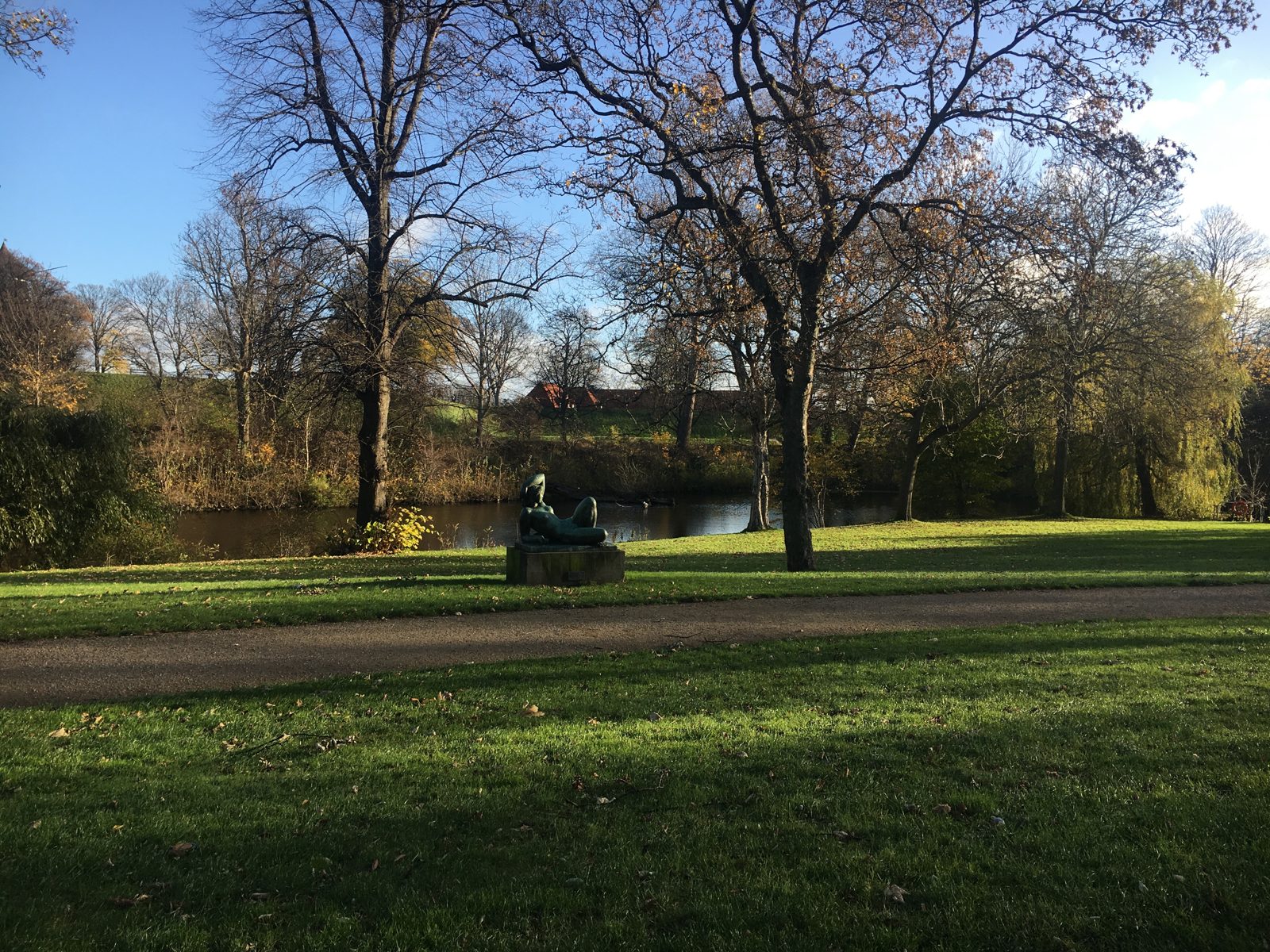
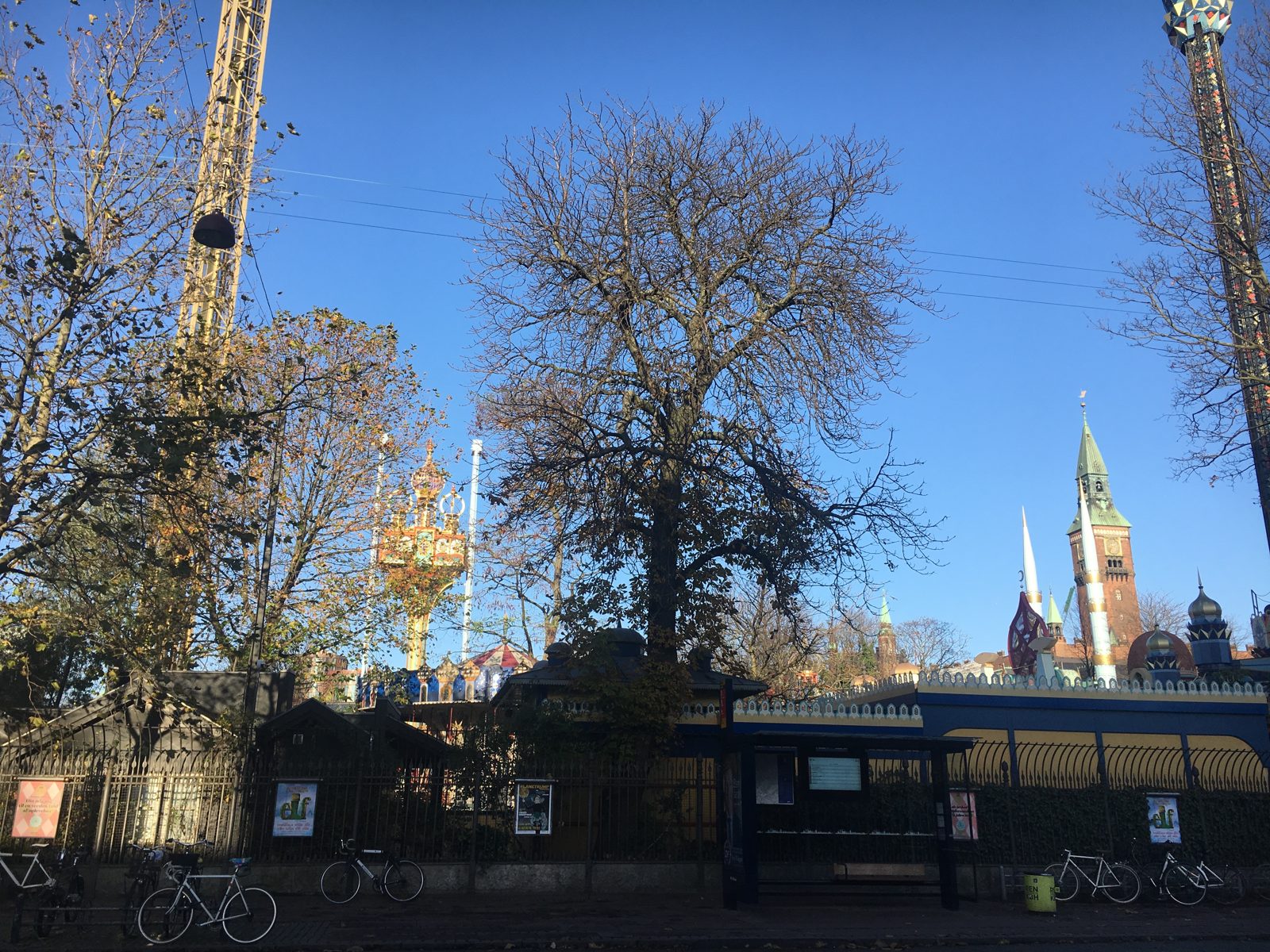
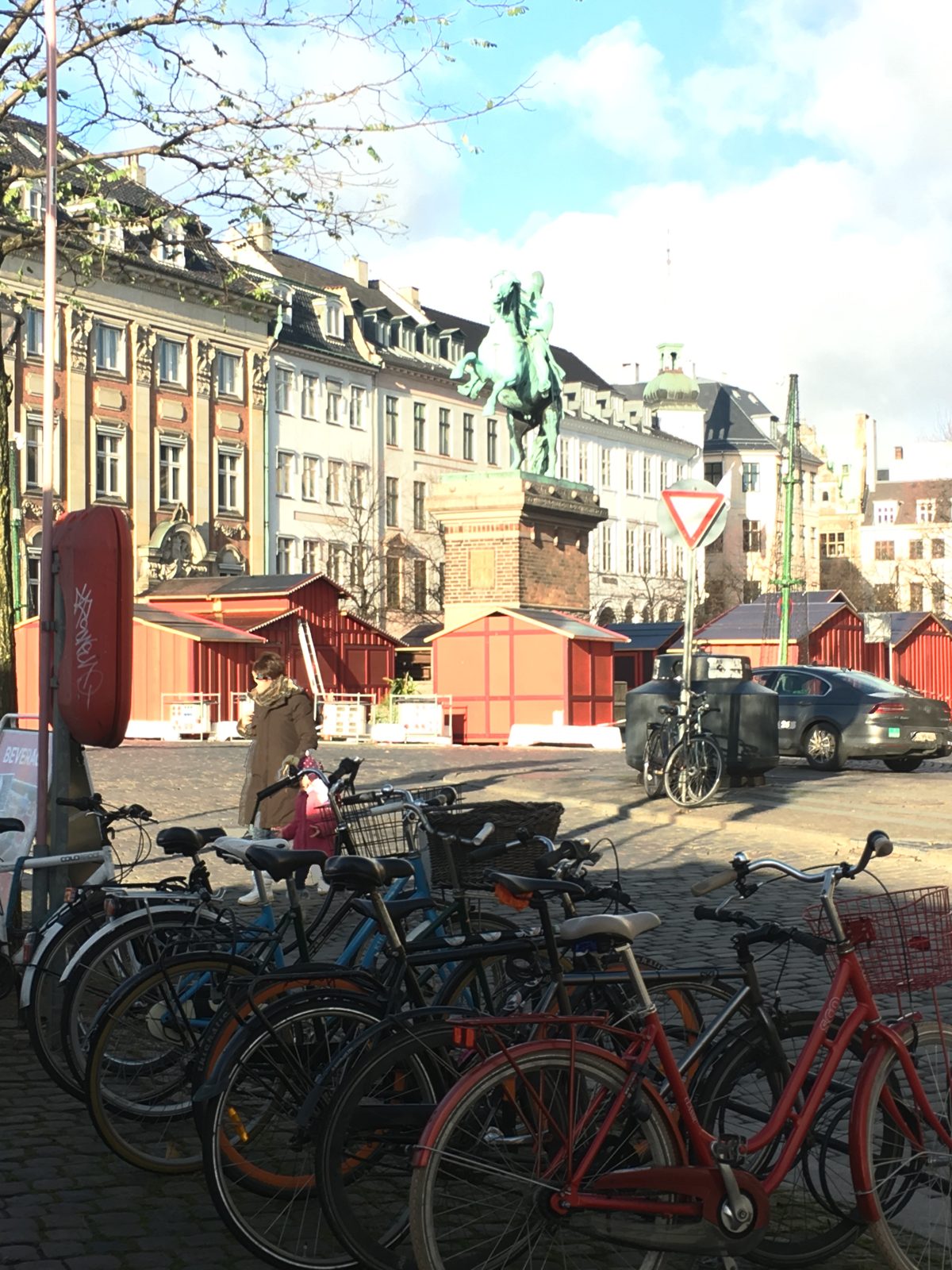
A walk through history on cobblestoned streets — the birthplace of the fairytale, the world's first amusement park, the home of LEGO, and a constellation of Michelin stars. No wonder they call it the happiest society on earth.
There's a particular feeling that arrives somewhere between the airport and the old town — a loosening. The bikes outnumber the cars. The harbor water is clean enough to swim in. The pace drops to something human. Copenhagen doesn't ask to impress you; it simply lets you in, and trusts you'll understand why people who come here rarely want to leave.
This is a city built at a walking speed, on streets laid down centuries before the automobile. To move through it is to move through time — and the best way to see it is the way the locals do: on foot, on a bike, with nowhere particular to be.
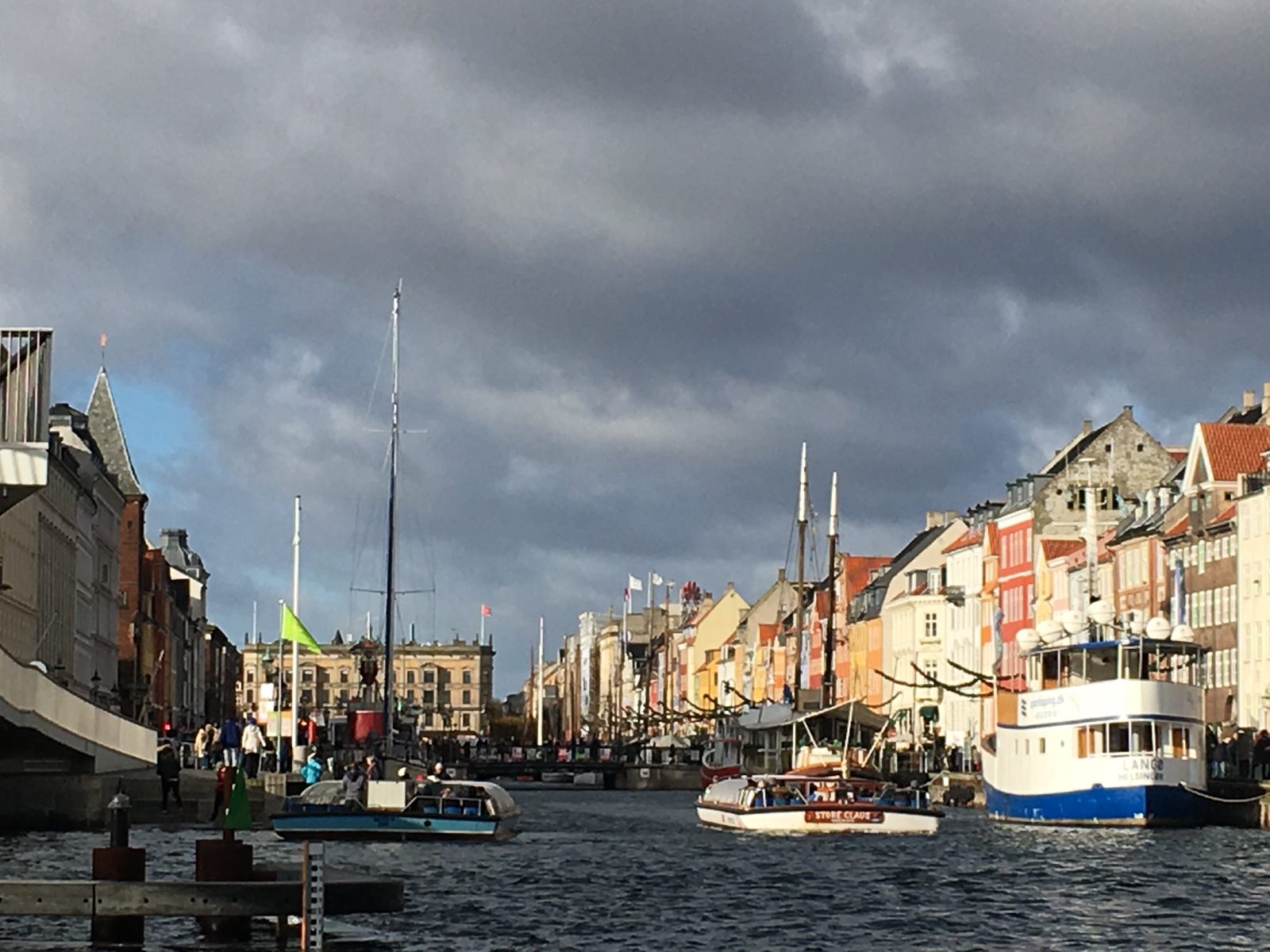
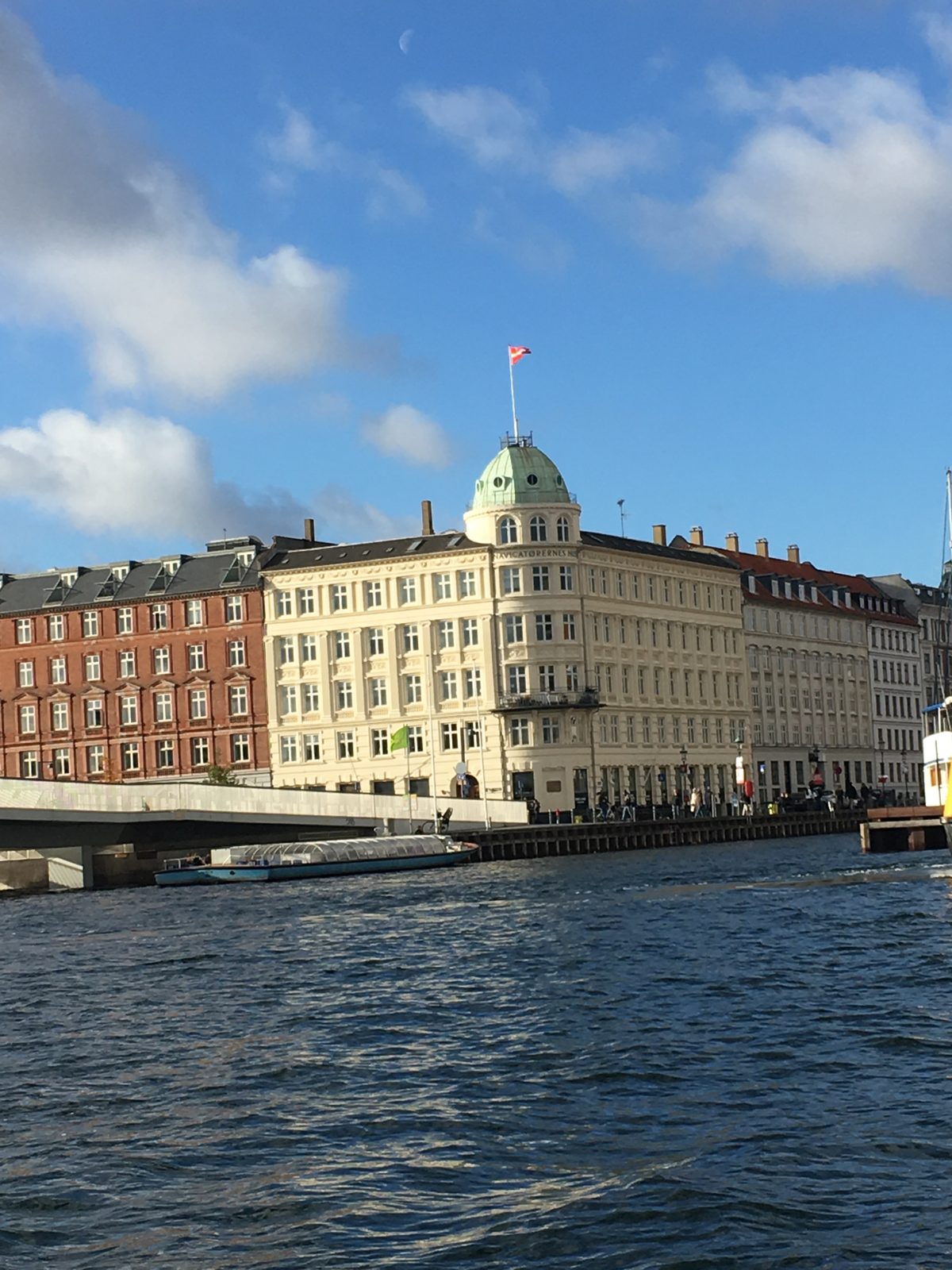
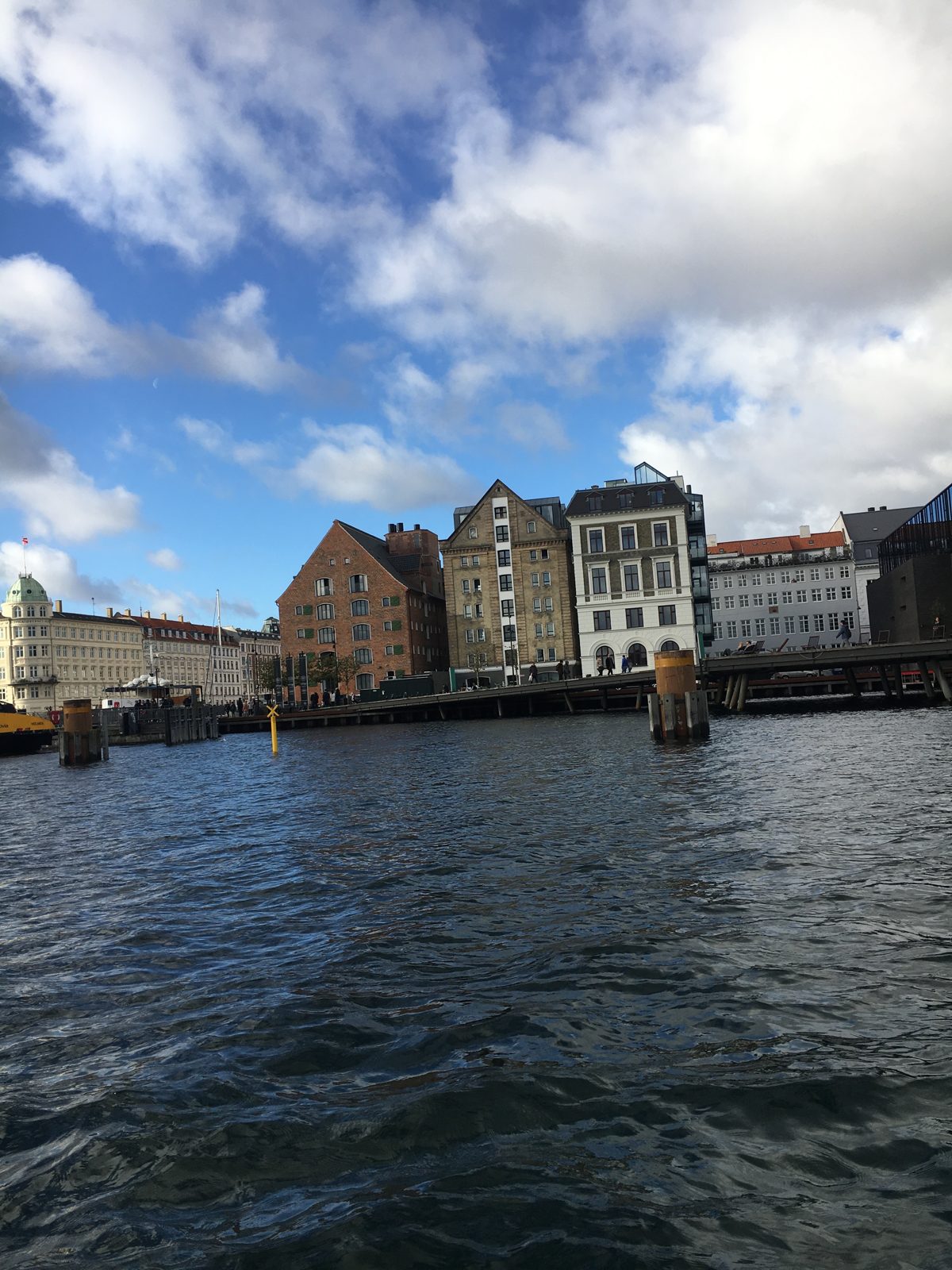
The candy-colored townhouses of Nyhavn have anchored this harbor since the 1600s. Hans Christian Andersen lived here — in three different houses over the years — writing the fairytales that gave the world The Little Mermaid and The Ugly Duckling.
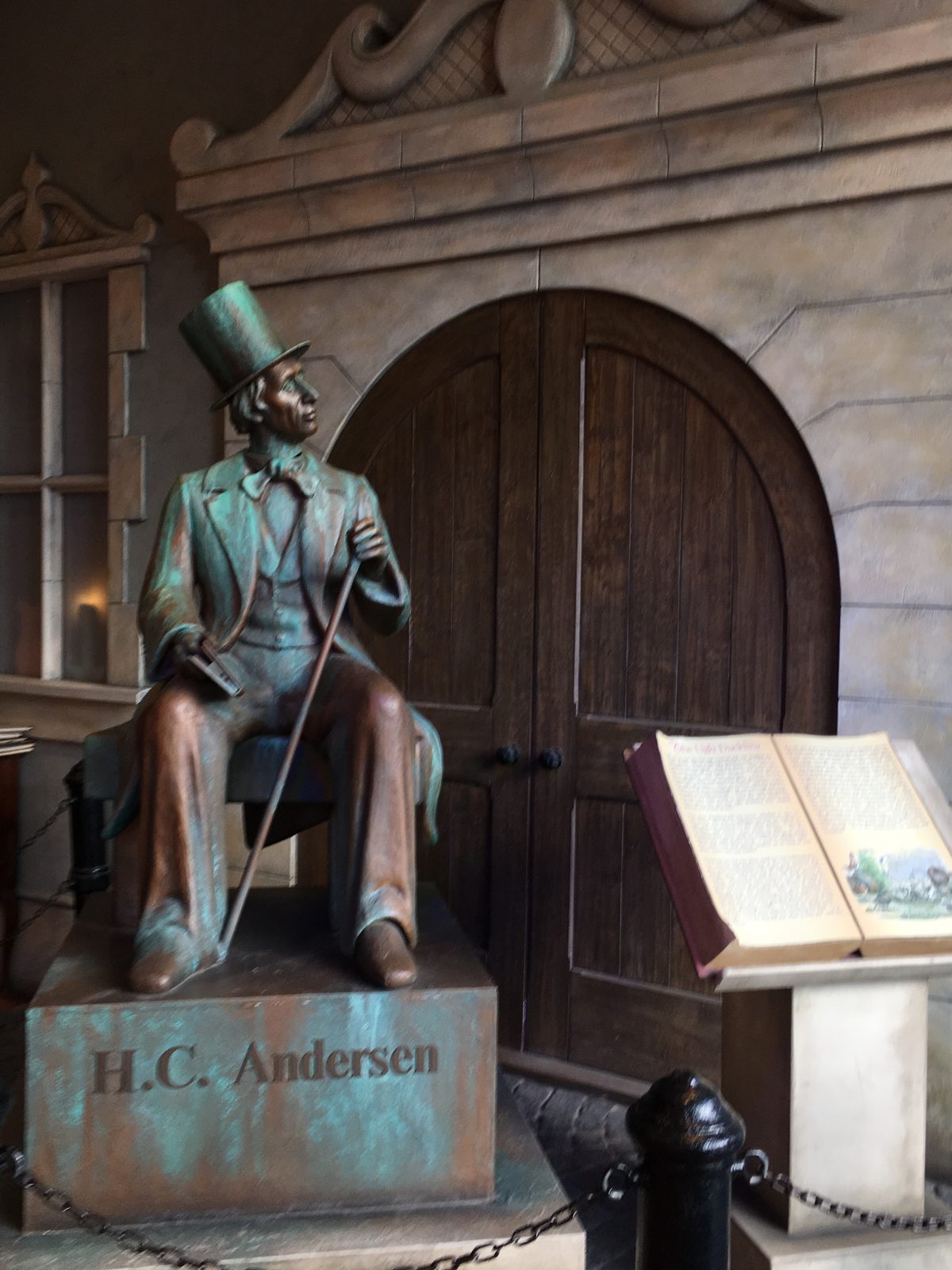
Every child who has ever heard of a little mermaid, a princess and a pea, or an ugly duckling owes that memory to a Dane who walked these streets. Hans Christian Andersen turned Copenhagen into the wellspring of the modern fairytale — and the city has never stopped feeling like one.
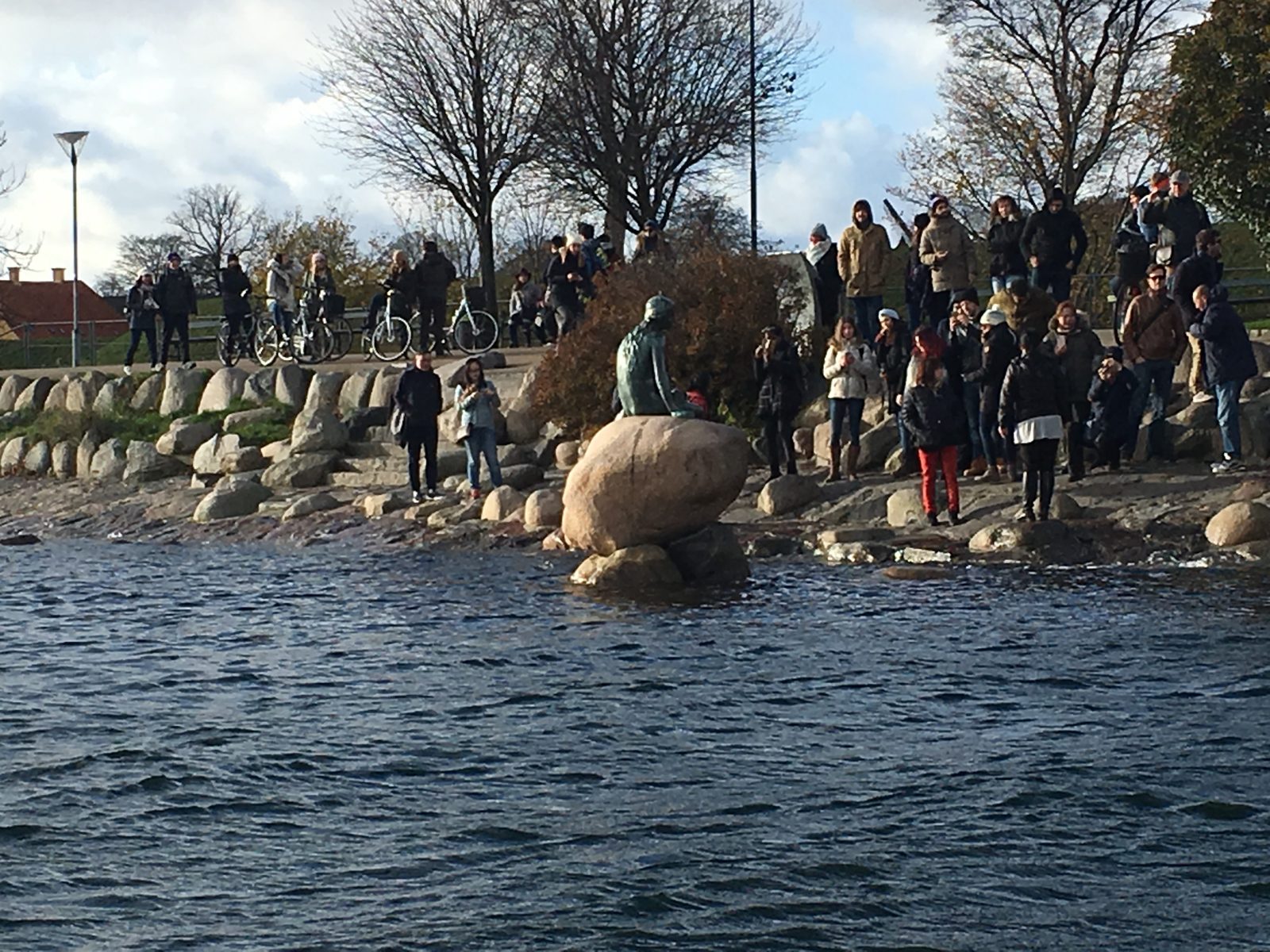
You can stand on the harbor where The Little Mermaid sits in bronze, gazing out to sea, and feel the strange overlap of fiction and place. The story was written here. The statue lives here. The city wears its imagination on the outside.
Tivoli has been enchanting visitors since 1843 — older than nearly every amusement park on earth. Walt Disney visited and took notes. The lights, the gardens, the wooden coaster: this is where the idea of the magical park began.
In 1932, a carpenter in the small town of Billund started making wooden toys. He called his company LEGO — from the Danish leg godt, "play well." It became the most valuable toy brand on earth, and it captured something essentially Danish: the belief that play is serious, that design matters, and that the two belong together.
You feel it everywhere in Copenhagen. In the clean lines of the furniture. In the careful geometry of the buildings. In the way a coffee is served, a bike lane is painted, a public square is arranged. This is a place that designs joy on purpose.
Copenhagen rewrote the rules of fine dining. The New Nordic movement — foraged, seasonal, radically local — turned this small northern city into one of the most important food destinations on the planet, with a sky full of Michelin stars to prove it.
Ask a Dane and they'll shrug — happiness here isn't a pursuit, it's a byproduct. Of trust. Of design. Of a society arranged so that the ordinary day is good. The bikes, the harbor swims, the long summer light, the candlelit cafés in winter — none of it is extraordinary on its own. Together, it's a way of living that the rest of the world keeps trying to bottle.
That's the real souvenir from Copenhagen. Not a photo of the colored houses or the mermaid statue. It's the quiet realization, somewhere on a slow walk down a cobblestoned street, that life could feel like this more often. You just have to slow down enough to notice.
From the harbor and the fairytale statues to the parks, the palaces, and the long Nordic light over the water.
Start with a cardamom bun and a slow coffee at a neighborhood bakery. The Danes take their mornings seriously — and unhurried.
Rent a bike — the city is built for it. Ride the harbor route past Nyhavn's colored houses and over the architectural bridges.
Open-faced rye sandwiches, the Danish lunch institution. Pickled herring, new potatoes, dill — simple, perfect, local.
No map. Just the cobblestones, the courtyards, the design shops, and four hundred years of history underfoot.
End where the magic started. The gardens glow, the lights come on, and 1843 feels like it could be tonight.
We built a playlist for the walk — the cobblestones, the harbor light, the long Nordic evenings. Press play and let the city set the tempo.
▶ Play the Copenhagen Mix